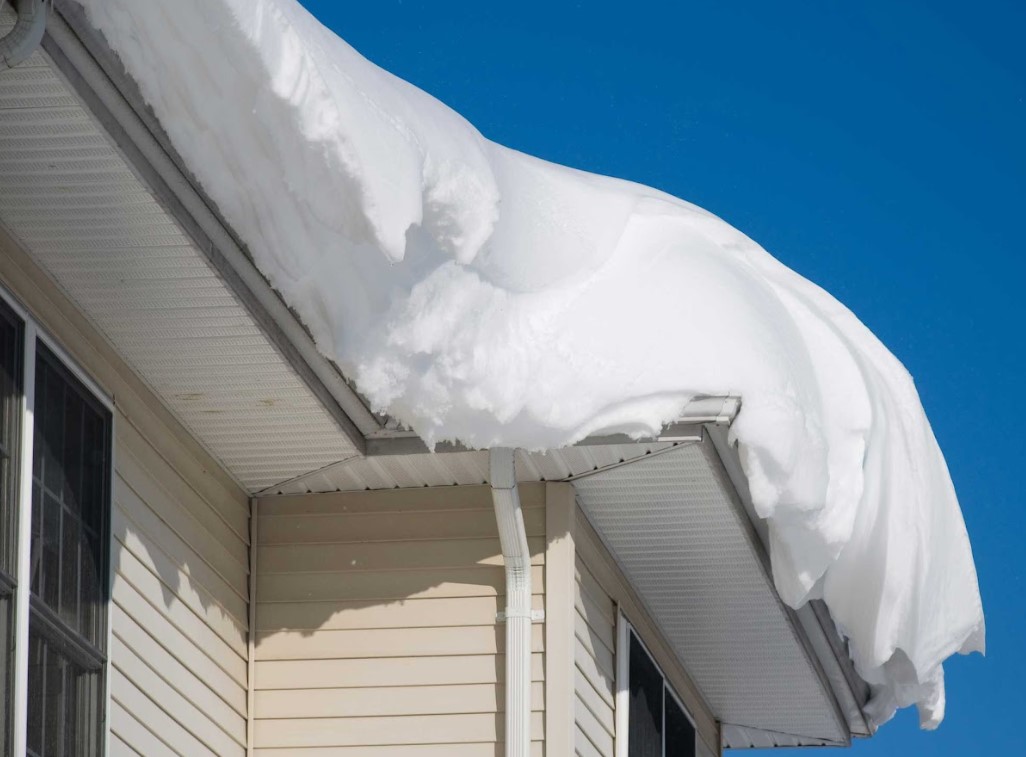
Winter in the Quad Cities brings plenty of beauty and a fair share of headaches for homeowners. When snow piles up and temperatures bounce above and below freezing, your roof faces one of its biggest threats: ice dams. These frozen ridges along your roof’s edge can trap melting snow, force water under shingles, and lead to leaks or even structural damage.
If you’ve ever spotted long icicles hanging from your gutters or noticed water stains inside after a thaw, it’s time to take action. This guide breaks down everything you need to know about ice dam prevention, from attic insulation to using roof heating cables, all in plain, practical terms.
Key Takeaways
- Ice dams form when your roof warms unevenly, causing meltwater to refreeze along the edges.
- Prevention starts inside; proper insulation and ventilation keep your roof evenly cold.
- Fast fixes like roof heating cables can protect your home while you plan long-term solutions.
At Quality Construction Advantage Group, we help Illinois and Iowa homeowners prevent costly roof ice damage repair every winter. Here’s what every local homeowner should know before the next freeze.
How Ice Dams Form (and Why They’re a Big Problem)
An ice dam is a ridge of ice that builds up at the edge of your roof. It forms when the upper section of your roof is warm enough to melt snow, but the eaves stay below freezing. The melted water flows down, hits the cold edge, refreezes, and soon, you’ve got a growing wall of ice blocking the flow of meltwater.
That trapped water has to go somewhere, and usually, it finds its way under your shingles. The result? Ceiling stains, soggy insulation, peeling paint, and even mold.
Here’s what makes ice dams especially tricky in our region:
- Freeze-thaw cycles, common in Moline and the surrounding area, create ideal conditions for ice buildup.
- Older homes often lack modern attic insulation and ventilation systems.
- Heavy snowfalls can pile up fast, putting extra pressure on your roof.
Once that ice sets in, it’s not just an inconvenience; it’s a fast track to needing serious roof ice damage repair.
Simple Ways to Prevent Ice Dams
Preventing ice dams is all about keeping your roof cold enough that snow doesn’t melt unevenly. Here’s how to do it.
1. Boost Attic Insulation
When warm indoor air leaks into your attic, it melts the snow above it. Proper insulation keeps that heat inside your living space, not under your shingles. Aim for R-38 insulation or higher in colder Illinois climates.
2. Improve Roof Ventilation
Good airflow helps keep the roof deck cool and dry. Make sure soffit vents are clear and that air can move freely through ridge or gable vents.
3. Seal Warm Air Leaks
Check for gaps around chimneys, recessed lighting, and attic hatches, anywhere heat might escape upward. Sealing these areas keeps the attic temperature consistent.
4. Clean Gutters and Downspouts
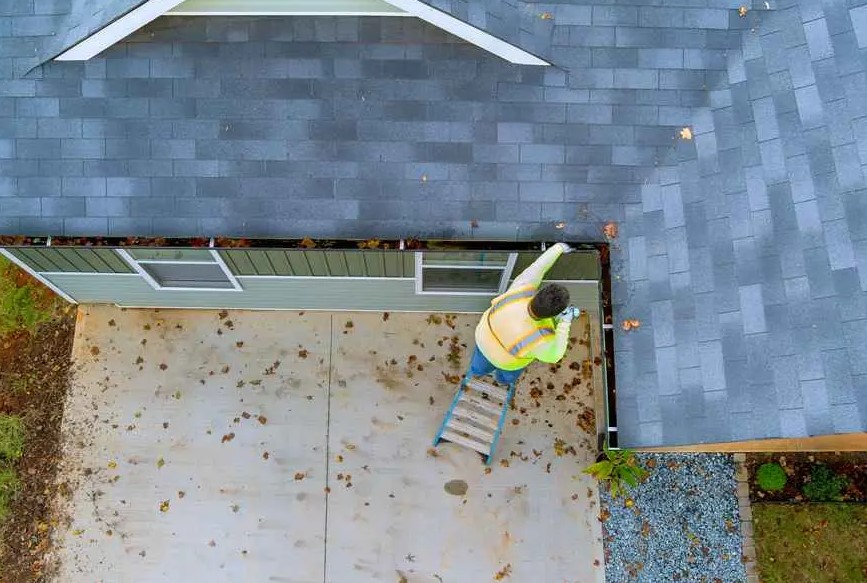
Clogged gutters trap melting snow and ice. Clear them before winter so water can flow freely away from your roofline.
5. Use a Roof Rake After Heavy Snow
A simple roof rake lets you safely remove snow from the first few feet of your roof while standing on the ground. It’s an easy, inexpensive way to reduce buildup.
6. Consider Roof Heating Cables
Roof heating cables (also known as heat tape) help prevent refreezing along roof edges and gutters. They’re especially useful in older homes or roofs with complex slopes where insulation upgrades are difficult.
When to Call for Professional Roof Ice Damage Repair
If you’ve already noticed leaks, ceiling stains, or sagging gutters, it’s time to bring in a pro. Trying to chip away ice or salt your roof can cause more harm than good.
A trusted local roofer, like Quality Construction Advantage Group, can:
- Safely remove built-up ice and snow.
- Inspect your roof and attic for hidden leaks or moisture damage.
- Recommend long-term fixes like insulation upgrades or ventilation improvements.
We don’t just patch the surface problem; we help homeowners fix the root cause so you don’t end up in the same situation next winter.
Why Ventilation and Insulation Work Best Together
Insulation keeps heat inside your home, while ventilation moves cold air through your attic. You need both to prevent ice dams. If one is missing, your roof’s surface temperatures can swing wildly, creating the perfect conditions for ice to form.
Well-balanced attic systems can prevent many winter roof leaks. And when combined with modern materials like ice and water shield underlayment, your roof stays dry even when temperatures fluctuate.
Quick Ice Dam Prevention Checklist
Before the next big snowfall, take these steps:
- Check attic insulation (R-38 or higher).
- Make sure vents are clear and airflow is consistent.
- Seal ceiling leaks around lights and chimneys.
- Clean gutters and downspouts.
- Rake snow off your roof after storms.
- Add roof heating cables if needed.
- Schedule a winter roof inspection.